

SJM Academy
English
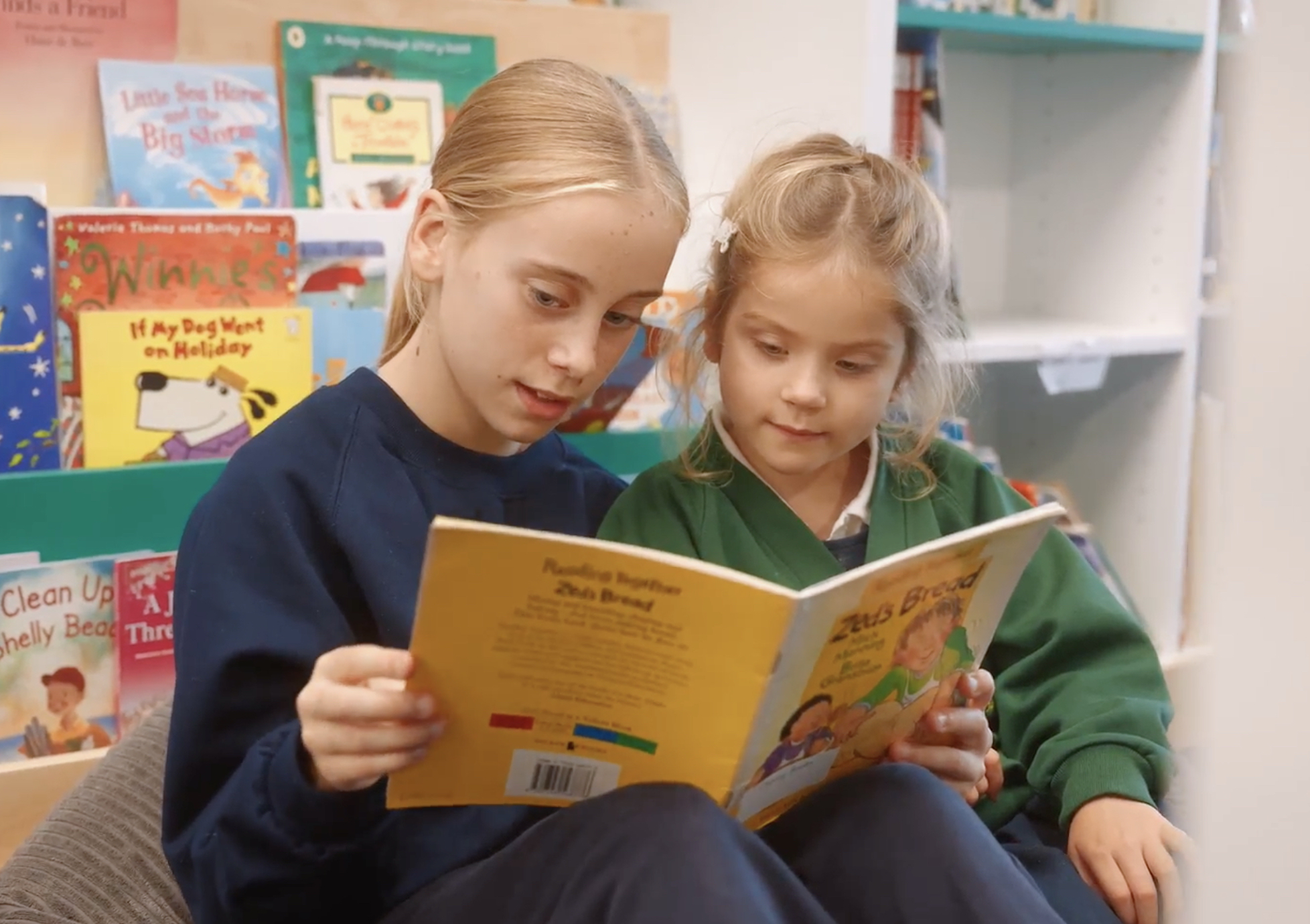
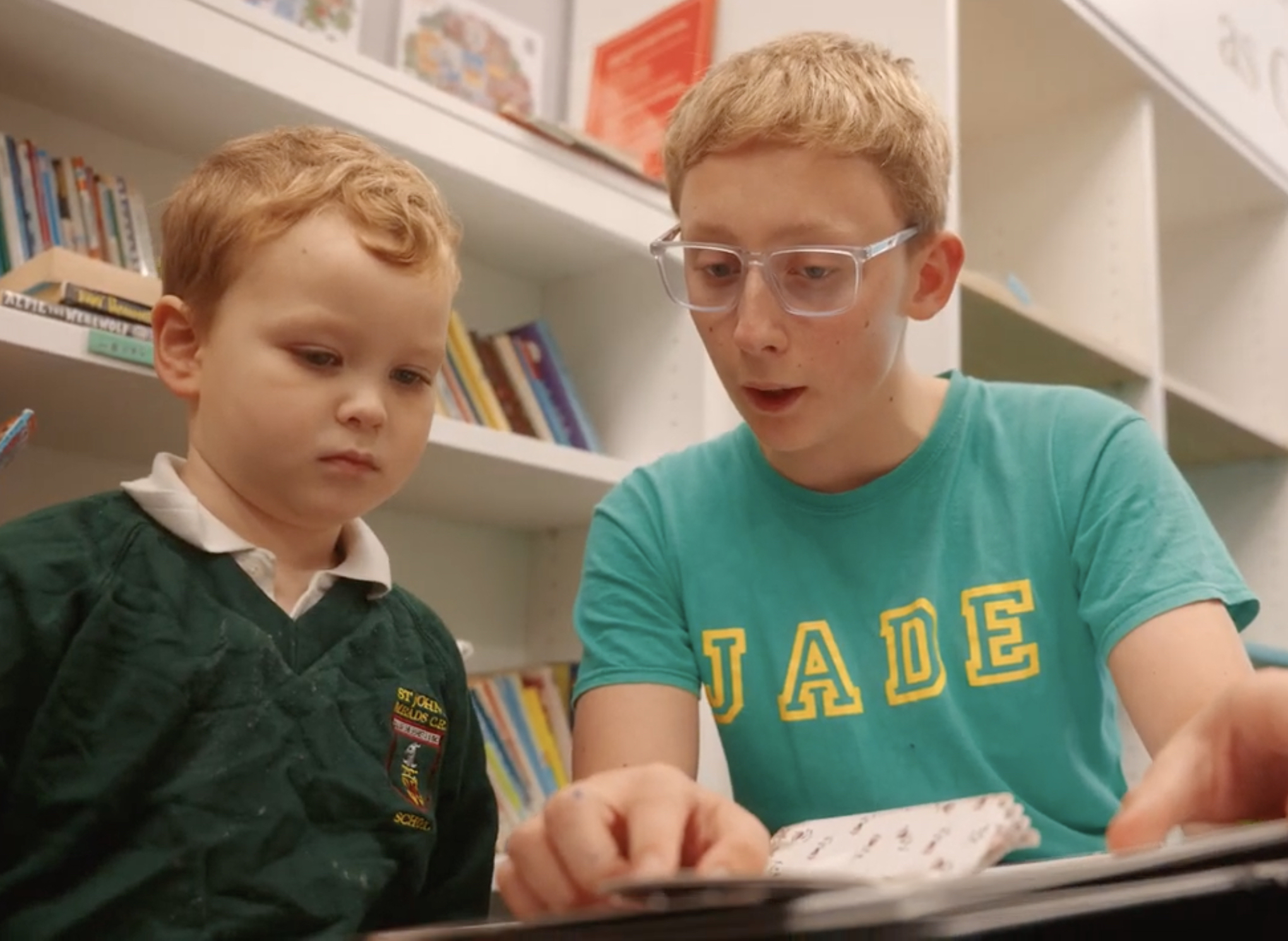
At St John’s Meads, we believe every child deserves a curriculum that empowers them to grow into confident, articulate communicators, reflecting our values of love, honesty, generosity, and teamwork [LIGHT].
Our English curriculum nurtures each child’s God-given potential, equipping them with the language, imagination, and critical literacy skills to thrive in an ever-changing world.
Aligned with the National Curriculum and enriched through purposeful links with subjects across the curriculum, our English education fosters a love of reading and writing, developing pupils as thoughtful readers, expressive writers, and effective speakers who can share their ideas with clarity and creativity.
Lessons build on prior knowledge through carefully sequenced teaching, modelling of vocabulary and writing processes, and scaffolded opportunities to practise and apply skills. From phonics in the early years to critical analysis of complex texts in Year 6, pupils experience a rich diet of literature that reflects diverse voices and styles. Writing is embedded across the curriculum, with children developing fluency, stamina, and purpose through planning, drafting, editing, and publishing.
Real-world contexts—such as persuasive letters, storytelling, or presenting information—make learning relevant and meaningful, sparking curiosity and encouraging collaboration. Grammar, spelling, and handwriting are taught systematically, ensuring pupils develop accuracy, fluency, and pride in presentation.
Assessment is ongoing, with constructive feedback guiding progress and challenging pupils to achieve their full potential. By embedding English in authentic contexts and delivering it with care, St John’s Meads cultivates resilient learners who read widely, write confidently, and use language wisely and compassionately, shining as lights in their communities.
Reading
Why Reading Matters So Much
Reading is one of the most powerful ways to support your child’s success academically, socially and emotionally.
Research consistently shows that:
-
Reading for pleasure is the single biggest indicator of a child’s future academic achievement—more influential than parents’ level of education or household income.
-
Children who read regularly have stronger vocabulary, better writing, improved focus and greater empathy.
-
Just 20 minutes of reading a day exposes a child to around 1.8 million words a year, building the background knowledge they need to thrive.
Why It Still Matters in Year 5 and Year 6 (More Than Ever)
Some parents understandably feel that once children can read fluently, they no longer need to be read to. In fact, the opposite is true.
Even in Year 6:
-
Children’s listening comprehension is higher than their reading comprehension, so reading to them introduces richer vocabulary and complex ideas they can’t yet tackle alone.
-
Shared reading strengthens confidence, motivation, and the all‑important habit of reading for pleasure.
-
Talking about books deepens understanding and prepares children brilliantly for upper‑KS2 writing, reading inference, and later secondary learning.
A child might be older—but they are never too old to enjoy a story with someone who loves them.
Find out more
For more information about our English Curriculum, please contact Mrs Sanders via the school office at office@sjm.academy.